Poppy Playtime Chapter 4
- 1.78K
- 4.4
- Installs
- 620.00M
- Version
- Varies with device

Screenshots
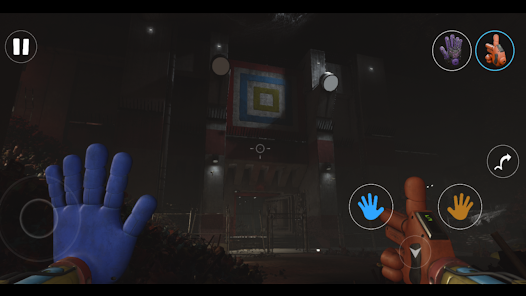
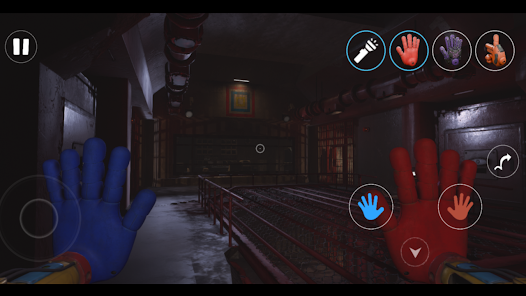
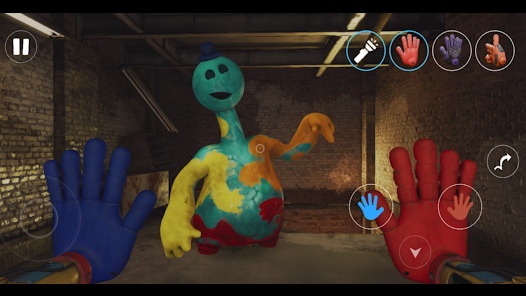
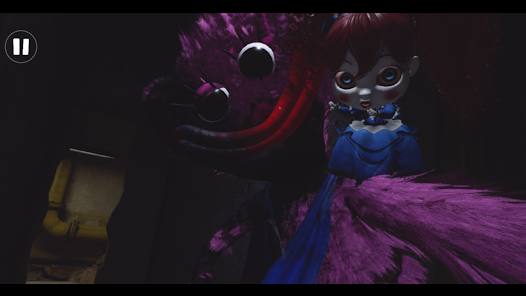

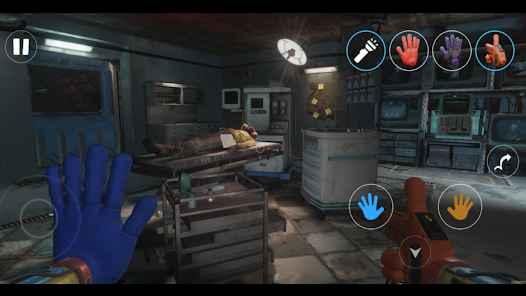
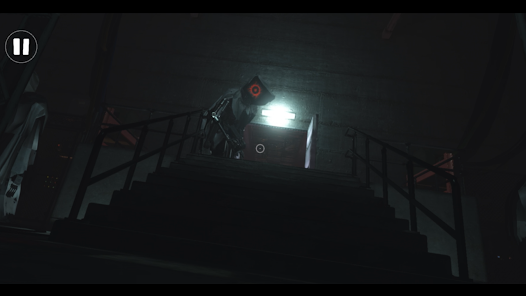
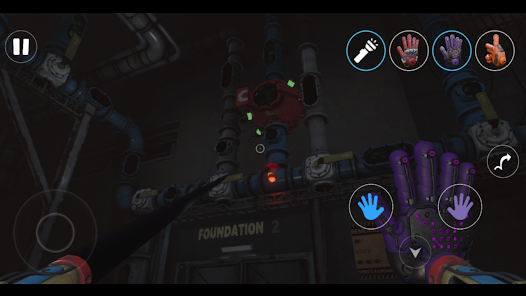
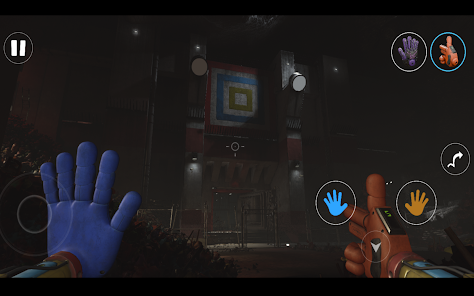



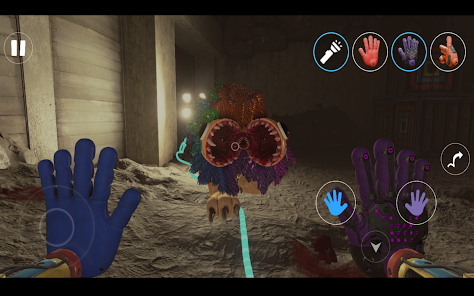
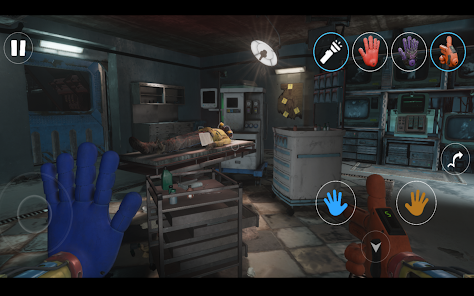

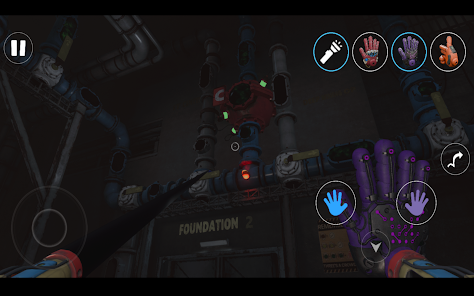
Introduction: The Factory's Darkest Secrets Await
The haunting legacy of Playtime Co. continues to unfold in Poppy Playtime Chapter 4, the latest and most ambitious installment in the smash-hit indie horror series. Following the explosive cliffhanger of Chapter 3, players are thrust deeper into the nightmarish, toy-infested bowels of the abandoned factory. This chapter promises not just to continue the story, but to expand the game's universe with new gameplay mechanics, terrifying environments, and lore revelations that fans have been desperately awaiting. It represents a significant evolution, aiming to balance its signature puzzle-solving and chase sequences with a richer, more immersive narrative experience.
A Descent into New Horrors: Gameplay and Environment
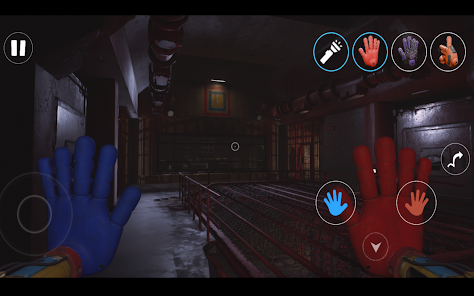
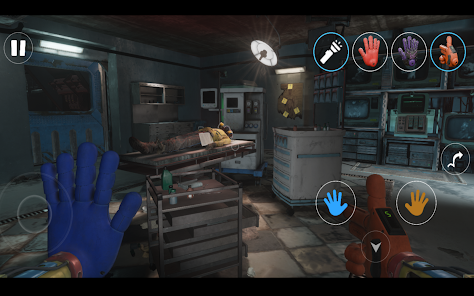
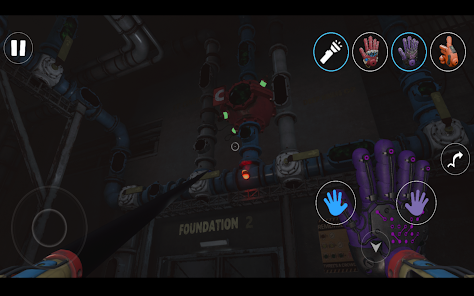
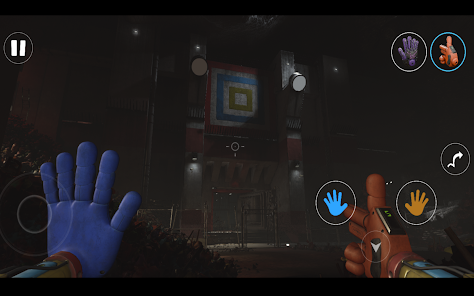
Chapter 4 elevates the core gameplay that defined the series. While the iconic GrabPack remains your essential tool for solving electrical puzzles and traversing gaps, it is often pushed to its limits with more complex and integrated environmental challenges. The chapter introduces sprawling new areas beyond the main factory floor, each with a distinct aesthetic and atmosphere that heightens the sense of exploration and dread. Expect to navigate dilapidated residential zones, eerie outdoor sections, and industrial labyrinths that feel both fresh and authentically part of the Playtime Co. world. The pacing masterfully alternates between tense quiet exploration, intricate puzzles, and the heart-pounding chase sequences the series is famous for, now featuring more dynamic enemy AI that makes each encounter feel uniquely threatening.
New Faces in the Darkness: Characters and Lore
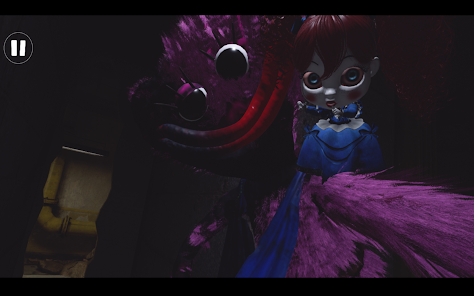
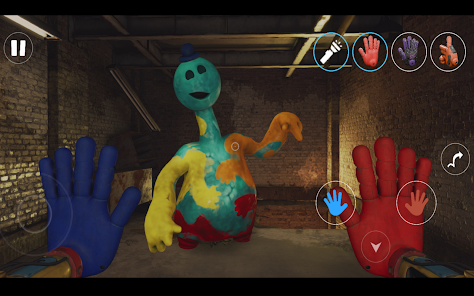
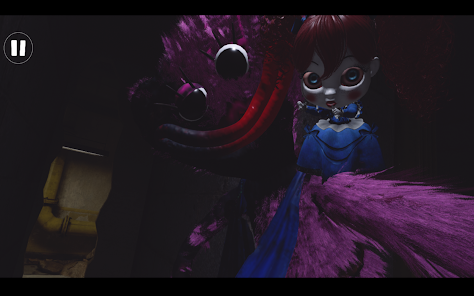
True to form, Poppy Playtime delivers new monstrous inhabitants, each with their own tragic backstory tied to the factory's grim experiments. Chapter 4 introduces at least one major new "Toy" antagonist, whose design and mechanics are meticulously crafted to create unforgettable moments of terror. More importantly, this chapter delves deeper into the origins of the Hour of Joy, the enigmatic Experiment 1006, and the true nature of Poppy herself. Through new VHS tapes, environmental storytelling, and key narrative cutscenes, players will piece together the devastating truths about the company's founders and the fate of the employees. The lore is no longer just background; it becomes the driving force of the player's journey, making every discovery feel crucial and chilling.
Technical Polish and Immersive Terror
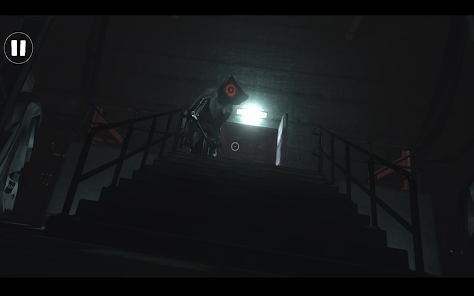
Visually, Chapter 4 is a stark step up. Utilizing an enhanced version of Unreal Engine, it features more detailed textures, sophisticated lighting that plays with shadows to incredible effect, and atmospheric effects that make the environment feel alive and oppressive. The sound design remains a cornerstone of the horror, with every distant creak, whisper, and sudden musical sting expertly calibrated to keep players on a knife's edge. The voice acting, particularly for new characters and lore entries, adds a layer of professional polish and emotional weight to the unfolding tragedy, deepening the connection to the game's dark world.
Conclusion: A Must-Play for Horror Enthusiasts
Poppy Playtime Chapter 4 successfully builds upon the solid foundation of its predecessors to deliver the most comprehensive and frightening chapter yet. It satisfies longtime fans with significant story payoffs and heightened scares while refining the gameplay to be more engaging and varied. For newcomers, it stands as a testament to the potency of indie horror—proving that creativity, compelling lore, and masterful atmosphere can be just as terrifying as any big-budget title. While the wait between chapters is long, the density of content, scares, and revelations in Chapter 4 makes it a compelling and unforgettable descent into the heart of Playtime Co.'s madness. The factory doors are open, and its darkest secrets can no longer stay hidden.


